
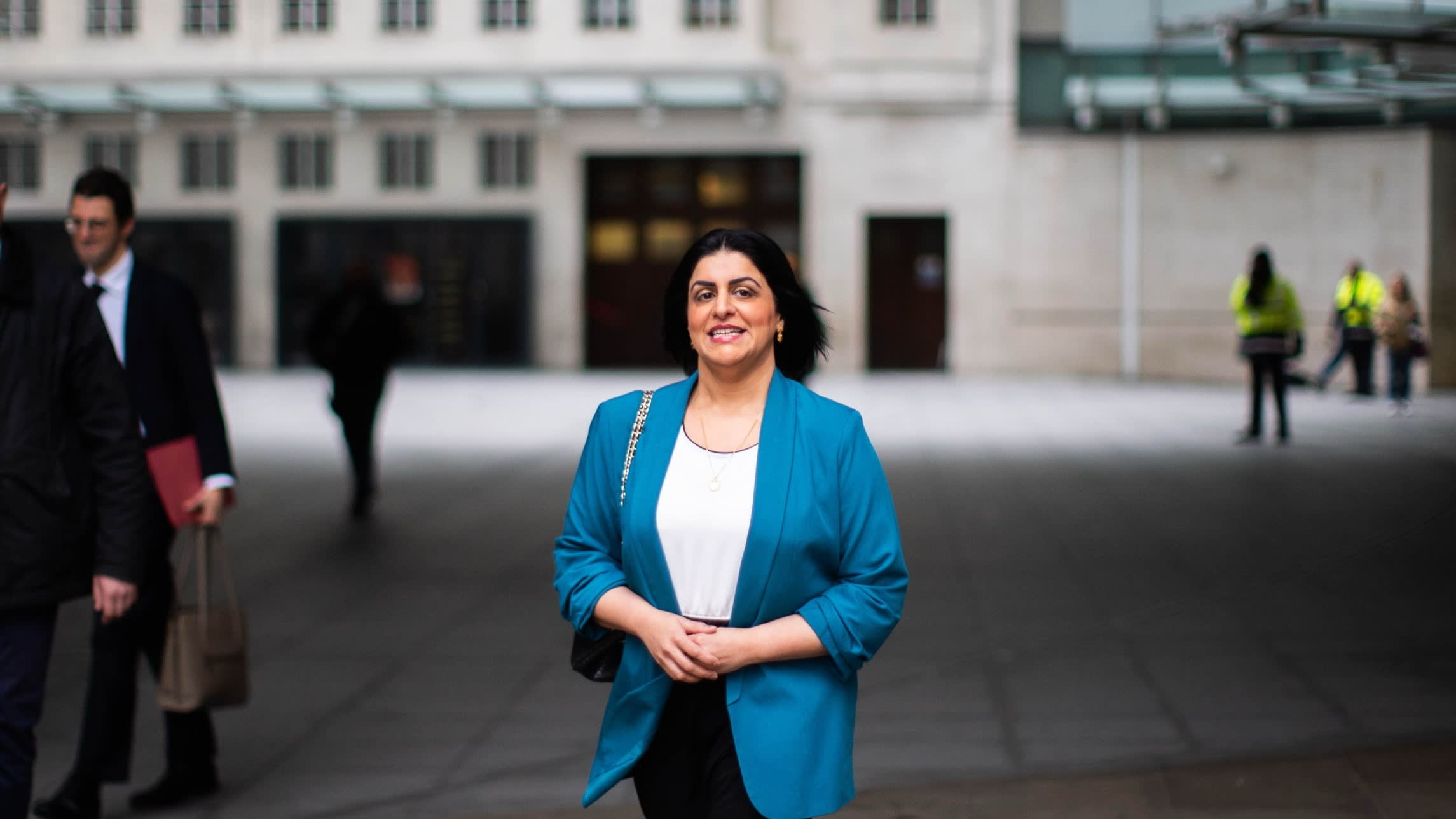
On 17 November 2025, Home Secretary Shabana Mahmood laid out one of the most comprehensive asylum reforms in decades in a policy paper entitled “Restoring Order and Control”. The stated goal: to tighten the UK’s asylum system, reduce illegal migration, and make removals more efficient.
Key Changes
- Temporary Protection & Longer Settlement Route
- Refugee status will no longer be open-ended. Instead, “core protection” will last for 30 months, subject to periodic review.
- The qualifying period for permanent settlement (indefinite leave) is being extended from 5 years to 20 years.
- For refugees who secure a job or continue in education, a “protection work and study” route may allow a faster track to settlement.
- Support & Public Funds
- The government is removing its legal duty to provide automatic support (housing and weekly financial allowances) to asylum seekers.
- Those who can work but choose not to, or those with assets (e.g., money, vehicles), may be denied support or asked to contribute to costs.
- In a controversial move, the policy paper proposes that high-value personal assets (like jewellery or cars) could be seized to help fund state support—though sentimental items (e.g., wedding rings) would be protected.
- Family Reunification
- The automatic right to bring family members (family reunion) will be curtailed under the reformed system. For most, reunion rights will only apply if the person is on the “work and study” protection route and meets certain criteria.
- More Removals, Fewer Appeals
- The UK will step up removals of failed asylum seekers. Mahmood announced a renewed commitment to deporting migrants even in some cases that had previously stalled.
- The appeals process will be reformed: there will be fewer avenues for appeal, and a new independent body of professional adjudicators will be created.
- There are plans to reinterpret or tighten human rights protections, especially Article 8 (right to family life)under the European Convention on Human Rights, to reduce barriers to removal.
- Safe and Legal Routes
- To discourage dangerous, illegal crossings (e.g., via small boats), the government will expand safe and legal routes for refugees.
- One proposal mirrors the “Homes for Ukraine” scheme: local communities in the UK will be able to sponsor refugees.
- Refugees on these safer, legal routes might be eligible for a 10-year settlement path, though this is subject to consultation.
- Incentives for Return
- The government plans to offer increased financial incentives for asylum seekers whose claims are rejected to return voluntarily.
- For those who refuse, more forced removals could follow. There’s a specific consultation planned on removing support (e.g., benefits) for families who refuse to leave.
- Use of Technology
- The Home Office intends to use AI to assess the age of illegal arrivals. Mahmood argued this would improve accuracy in identifying under-18s, though critics warn of potential bias and errors.
Rhetoric & Rationale
- Mahmood framed these changes as part of a “moral mission”: she argued that being generous to refugees must go hand-in-hand with control, otherwise the system risks being exploited.
- She explicitly cited Denmark’s asylum model as inspiration — a system where refugee protection is temporary, regularly reviewed, and tied to return when possible.
- The policy is pitched as a way to restore public confidence in the UK’s immigration system by making it less of a “pull” destination for illegal migration.
Criticism & Risks
- Rights groups are already warning that the removal of guaranteed support could lead to destitution for vulnerable people.
- Reforming Article 8 protections may provoke legal challenges: narrowing “family life” could conflict with human rights obligations.
- There is concern that using AI for age assessment could misclassify minors, risking serious moral and legal implications.
- Some Labour MPs are uneasy about the political framing: critics argue these reforms could echo far-right messaging, even if the government says it is acting from a place of principle.
Analysis: What It Means Politically
- The reforms signal a hardening of Labour’s approach to migration, likely aiming to defuse criticism from the populist right (e.g., Reform UK) on border control.
- By tying support to contribution (work, assets), the government is pushing a “earned protection” model — refugees are not just given sanctuary, but are expected to contribute.
- The long delay to permanent settlement (20 years) represents a significant shift: for many, the UK will no longer be an easy path to citizenship.
- On the other hand, the expansion of legal routes and community sponsorship could be marketed as a more humane way to support genuine refugees, reducing dangerous crossings.